-
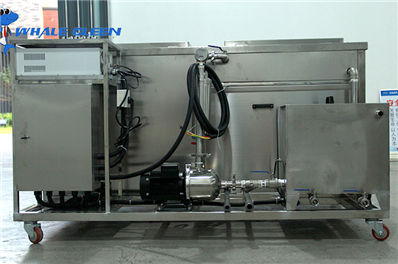 Ultrasonic Cleaning Equipment: The Preferred Tool for Cleaning Ceramic Surfaces
In various industries, the cleanliness of ceramic surfaces is of utmost importance. Ceramics, known for their durability and chemical resistance, are used in applications ranging from medical devices to electronic components. Ensuring these surfaces are f
-
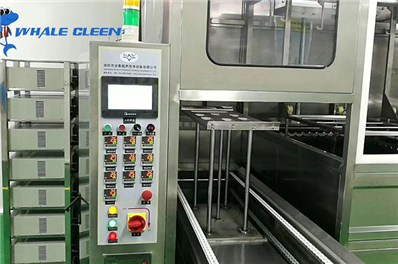 Ultrasonic Cleaning Equipment: The Efficient Tool for Cleaning Ceramic Parts
In the realm of industrial cleaning, the precision and effectiveness of the cleaning process are paramount, especially when dealing with delicate materials like ceramics. Ultrasonic cleaning equipment has emerged as a revolutionary tool in this regard, of
-
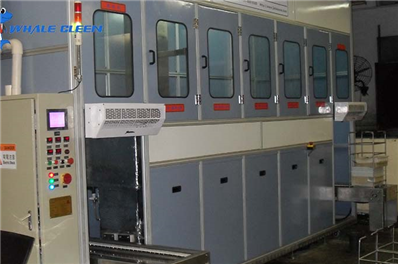 20+ Years Deep in Industrial Cleaning: Specializing in Non‑Standard Customization to Conquer the “Last Mile” of High‑Difficulty Cleaning for Thousands of Manufacturers
The “Last Mile” Problem in Industrial CleaningIn manufacturing, the last mile is often the hardest. You can have a world‑class production line, precision CNC machining, and rigorous quality control—but if a single component carries microscopic contaminati
-
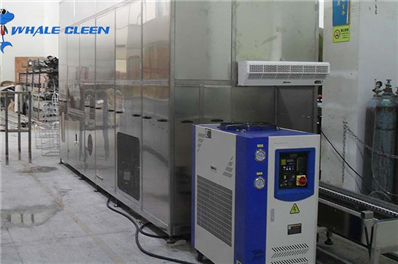 Why Ultrasonic Cleaners Remove Paint? The Science Behind Paint Stripping & Prevention Tips
When using an ultrasonic cleaner for the first time, many users are shocked to find that painted surfaces emerge stripped or damaged. This raises an important question: why do ultrasonic cleaners remove paint, and how can you prevent it? Understanding the
-
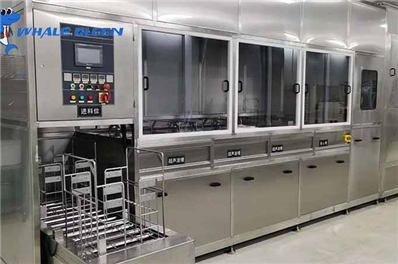 How to Modify Ultrasonic Cleaner Power: A Comprehensive Guide for Safe and Effective Adjustments
Introduction to Ultrasonic Cleaner Power Adjustment Understanding power modification is crucial for tailoring cleaning performance to specific tasks. This guide covers legal, technical, and safety aspects of adjusting ultrasonic cleaner output (typical
-
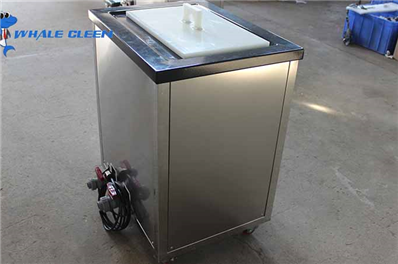 How to Clean Watches with an Ultrasonic Cleaner: A Comprehensive Guide for Safe and Effective Maintenance
Article Outline 1.The Science Behind Ultrasonic Watch Cleaning How ultrasonic waves (40-60kHz) remove dirt from intricate mechanisms Benefits over traditional cleaning: 95% removal of oils and microparticles
-
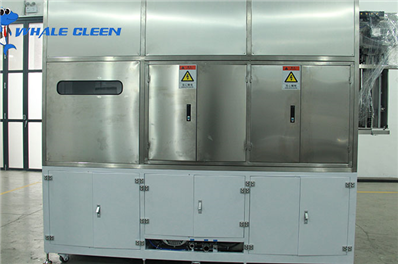 How Does Ultrasonic Cleaning Machine Generate Vibrations?
Ultrasonic cleaning machines are widely recognized for their ability to provide deep, efficient, and non-destructive cleaning solutions across various industries. The core principle behind their effectiveness lies in the generation of high-frequency vibra
-
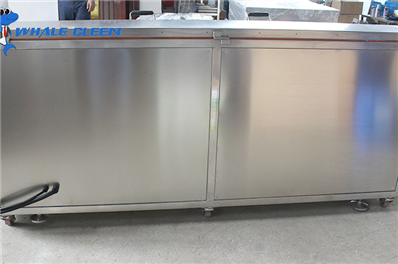 Why Are Ultrasonic Cleaning Machines Expensive?
Ultrasonic cleaning machines are widely used in various industries for their efficient and precise cleaning capabilities. However, their relatively high cost often raises questions. The following are the main factors contributing to the high cost of ultra
-
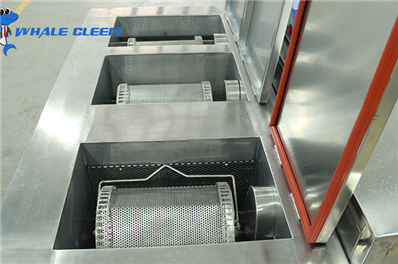 What Should Not Be Cleaned with an Ultrasonic Cleaner: Key Considerations and Restrictions
Ultrasonic cleaning is a powerful and efficient cleaning technique that uses high-frequency sound waves (typically 20-40 kHz) to create microscopic bubbles in a cleaning liquid. These bubbles form and collapse rapidly, a process known as cavitation, which
-
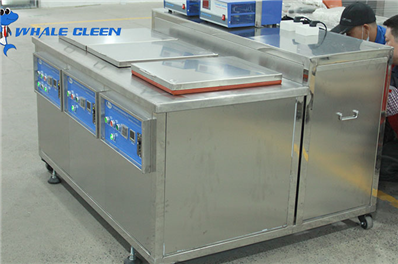 What Is an Ultrasonic Cleaner Transducer: Principles and Applications
The ultrasonic cleaner is a widely used cleaning device in industries ranging from healthcare to precision engineering. At the heart of this technology lies the ultrasonic transducer, a critical component responsible for converting electrical energy into
-
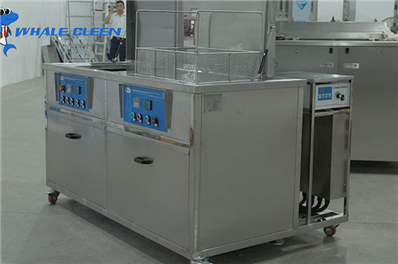 What Solutions Can Be Added to Ultrasonic Cleaners? A Professional Guide
Ultrasonic cleaners use high-frequency sound waves to generate cavitation bubbles that clean surfaces by dislodging contaminants. While the physical action of the sound waves is highly effective, adding the right solution can significantly enhance cleanin
-
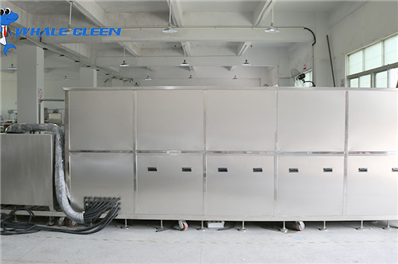 Does an Ultrasonic Cleaner Contain Copper? An In-Depth Examination
Ultrasonic cleaning is a widely adopted technology across various industries, including manufacturing, healthcare, electronics, and jewelry. The fundamental process involves high-frequency sound waves creating microscopic bubbles in a cleaning solution. T